North Georgia Rivers
Trophy Brown Trout on the Toccoa River: 2026 Targeting Guide
 Daniel Bowman
Updated May 7, 2026
11 min read
Daniel Bowman
Updated May 7, 2026
11 min read

The short version
The Toccoa River produces several 22–26 inch wild and holdover brown trout each year. Targeting them is a specific game: streamer fishing in late October through November (pre-spawn aggression) or late February through March (post-spawn). Drift boat trips reach the unwadeable deep slots where the biggest browns live. Articulated streamers (4–6 inches) in olive, brown, or black, fished low and slow with sink-tip lines, are the standard rig. Best windows: dawn (sunrise to ~8 a.m.) and dusk (sunset and the hour before). A trophy brown on the Toccoa is a multi-trip pursuit for most anglers; one focused day in late October–November is the highest-percentage shot.
What "trophy" means on the Toccoa
A trophy brown trout on the Toccoa Tailwater is 22+ inches. Specifically:
- 20–22 inches: quality fish, a great catch but not "trophy" by Toccoa standards
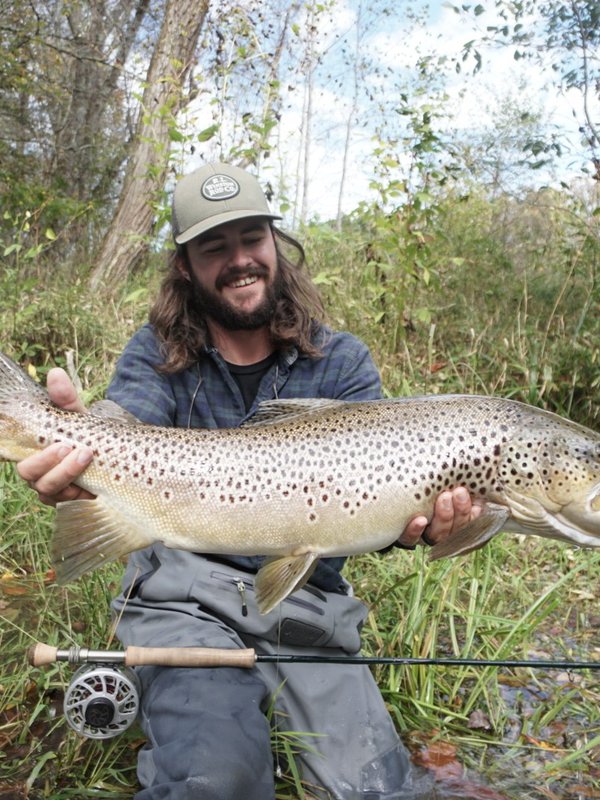
- 22–24 inches: trophy. Most anglers go years without one. The framed-photo size.
- 24–26 inches: exceptional trophy. A handful caught each year. The river holds them but landing them is rare.
- 26+ inches: unicorn. The Toccoa produces a few each year but they are landed by guides who fish daily, not casual anglers.
These are wild and long-time-holdover brown trout — fish that have lived in the river multiple seasons (sometimes years), grown well past stocking size, and developed wild behaviors. They differ fundamentally from the freshly-stocked rainbows that produce the river's high catch rates. A 14-inch hatchery rainbow caught on a sowbug nymph is a different category of fish than a 24-inch wild brown caught on a streamer.
Why the Toccoa produces trophy browns
Five factors that combine to produce trophy browns on the Toccoa:
Cold water year-round. The Blue Ridge Dam release keeps water temperatures in the 44–66°F range across the entire year. Trout grow continuously rather than experiencing the summer-stress periods that limit growth on warmer rivers.
Abundant forage. Sowbugs, scuds, baitfish, crayfish, and stocked trout (which the larger browns eat). The forage base supports growth from 14 inches to 26 inches.
Limited harvest in C&R section. The catch-and-release section near Blue Ridge Dam protects fish from harvest pressure, allowing them to grow into trophy size.
Holdover from heavy stocking. Georgia Wildlife stocks the Toccoa heavily. Most stocked rainbows are caught within weeks; some browns and a few rainbows survive multiple seasons and grow into the holdover/trophy class.
Wild reproduction in some sections. Limited but real wild brown trout reproduction occurs in tributaries and certain Toccoa sections. Wild browns grow more slowly than holdover stockers but reach trophy size eventually.
The combination produces a few dozen trophy-class browns at any given time. Finding and catching them is the challenge.
Where trophy browns live in the river
Trophy browns favor specific water types:
Deep slots and pools. The biggest browns live in 4–8+ feet of water where they can hold near the bottom and ambush forage. Wading anglers cannot reach these spots; only drift boats can fish them effectively.
Undercut banks. Browns hold under banks, log jams, and root balls during the day, emerging at low light to feed.
Below structure. Boulders, fallen trees, and bridge pylons create eddies where browns ambush food.
Tributary mouths. Where smaller streams enter the Toccoa, browns hold to intercept food washed down.
Seam transitions. Where fast water meets slow water, the seam concentrates food. Browns position on the slow side and dart out.
Low-light edges. At dawn and dusk, browns move from deep daytime holds toward shallower feeding zones. Edges of pools, riffle tailouts, and bank-side flats produce in low light.
The pattern: deep daytime holds + low-light feeding zones. Trophy hunting fishes the deep zones during the day with deep streamers and the feeding zones at low light with bigger flies fished closer to the surface.
When trophy browns feed — peak windows
Three primary windows produce trophy browns:
Dawn (sunrise to ~8 a.m.). Low light, browns moving from deep holds toward feeding zones. Most-productive trophy window across all seasons.
Dusk (sunset and the hour before). Equivalent low-light window in the evening. Sometimes more productive than dawn in summer.
Pre-spawn fall (late October through November). Browns become aggressively territorial pre-spawn. Strike at intruders (streamers) more readily than at any other time of year. The single best trophy window.
Post-spawn winter (late February through March). Browns recovering from spawn aggressively feed to rebuild condition. Less consistent than fall but produces.
Generation events. Active TVA generation moves food and stirs the river. Browns feed aggressively during generation.
Storm fronts. Pre-storm pressure drops trigger feeding. The 1–2 hours before a storm can produce trophy fish.
The trophy hunter targets these windows specifically rather than fishing through mid-day light when trophies are unlikely to eat.
Streamer rigs for trophy browns
The standard trophy brown rig:
Rod: 9-foot 7- or 8-weight. The 7-weight handles most situations; the 8-weight is needed for the largest articulated streamers and high-flow conditions.
Reel: large-arbor reel with 100+ yards of backing. Trophy browns run.
Line: sink-tip line for most conditions. 5–10 ft of T-7 to T-11 sinking section, with floating running line. Full-sink lines for high-flow generation conditions.
Leader: short and heavy. 4–6 ft of 0X–2X fluorocarbon. Trophy browns are not leader-shy; turnover of large flies matters more than stealth.
Streamers: 4–6 inch articulated patterns dominate. Sex Dungeons, Drunk and Disorderly, articulated Hex, Sculpin Helmet patterns. Olive, brown, black, white-on-tan are productive colors.
Smaller streamers (size 4–8): for days when fish are not committing to the larger flies. Wooly buggers, conehead muddlers, mini-Dungeons.
Stripping technique: slow strips with pauses. The pause is when most eats happen. Vary cadence — fast strips occasionally trigger reaction strikes from territorial browns.
Mending and presentation: dead-drift the streamer through the strike zone, then strip on the swing. The "swing-strip" presentation is the standard trophy-brown technique.
For self-guided trophy hunters, this rig requires a separate setup from standard nymph/dry-fly trips. Most casual anglers do not own dedicated streamer gear; renting or borrowing for trophy-targeting trips works.
Why drift boats work better than wading for trophy targeting
Three reasons trophy hunting favors drift boats over wading:
Reach the unwadeable water. The biggest browns live in deep slots and pools that wading anglers cannot effectively fish. Drift boats anchor at productive lies and present streamers through the deepest water.
Cover more water. Trophy fishing is often a low-percentage game — many hours of casting for a few committed eats. A boat covers 5–12 miles of river vs. wading covering 1–2 miles.
Generation-friendly. Trophy fishing during fall generation produces. Drift boats fish through generation safely; wading does not.
For dedicated trophy targeting, the drift boat is the right format. Bowman's Toccoa float trips ($425 half-day, $575 full-day for 1–2 anglers) include streamer rigging for trophy-focused days.
Late October through November — the peak window
The single best trophy window of the year. Specifics:
Why it works: brown trout pre-spawn aggression. Browns become territorial as they approach the spawn (typically December–January). Aggressive males chase intruders away; aggressive females eat to build condition for spawning. Streamers stripped through their territory provoke strikes.
Best dates: late October (around the 15th) through mid-November. The pre-spawn aggression window typically peaks around late October to early November depending on water temperature.
Conditions: water temps 50–58°F. Cooling but not yet cold. Fall colors in the surrounding mountains. Generation moderate.
Tactics: large articulated streamers fished slow with pauses. Cover the deep slots and undercut banks methodically. The first 30 minutes of low-light dawn produces the best chance.
What to expect: fewer, bigger fish. A trophy day might produce 1–3 quality browns instead of 10–15 numbers fish. The days are slower but the fish are larger.
Booking: late October weekends fill 8–12 weeks ahead. Mid-week dates have more flexibility. Plan in July for an October trip.
For dedicated trophy hunters, the late October–November window is non-negotiable. The opportunity is real but compressed; book early and prioritize this trip over other formats.
Late February through March — the post-spawn window
Secondary trophy window, less consistent but real:
Why it works: browns recovering from December–January spawn need to rebuild condition. Aggressive feeding to recover body mass. Streamers produce.
Best dates: late February through mid-March. Avoid early February (still too cold for sustained feeding) and late March (post-spawn recovery winding down).
Conditions: water temps 44–52°F. Cold mornings. Weather variable.
Tactics: smaller streamers (size 4–8) fished slowly. Less aggressive than fall pre-spawn but trophies still feed. Sowbug and egg pattern combinations also produce trophy browns in this window.
What to expect: less consistent than fall. Some days produce; others do not. The trade-off: less crowded, more solitude.
Booking: less peak demand than fall. 4–6 weeks lead time usually sufficient.
For trophy hunters who cannot fish the October–November window, the late February–March window is the alternative. Less consistent but real opportunity.
Year-round trophy fishing patterns
Trophy browns can be caught in any month, but with declining percentages outside the two peak windows:
Spring (April–May): trophies feed during heavy hatches but are less aggressive than pre-spawn. Streamers in low-light windows produce. Hatch fishing produces occasional trophies on dry flies.
Summer (June–August): heat-affected. Trophies feed exclusively in dawn and dusk windows. Streamers during full generation produce occasionally. Tough trophy fishing.
Early fall (September–early October): transitional. Building toward the late-October peak. Some pre-spawn aggression starting.
Winter (December–early February): post-spawn season starts December but trophies are rebuilding rather than feeding aggressively early in the window. Late February improves.
The pattern: trophies are catchable year-round but the late-October-through-November and late-February-through-mid-March windows produce dramatically more trophy fish than the rest of the year.
What experienced trophy hunters do
Patterns from anglers who land Toccoa trophy browns annually:
They book late October specifically. The pre-spawn window is non-negotiable. Most other fishing flexibility around it.
They fish dawn and dusk. Mid-day light is for nymph fishing, not trophy fishing. Trophy hunters set alarms.
They use sink-tip line religiously. Floating-line streamer fishing produces fewer trophy fish than sink-tip presentations. Get the streamer down to where the big fish hold.
They photograph every fish over 18 inches. Quick photo for documentation, fast release. Building a personal trophy-fish database.
They handle fish carefully for release. Wet hands, in the water if possible, no air-time over a few seconds. Released-then-died trophy fish are a category of failure.
They tip guides who put them on trophies generously. A successful trophy day deserves a generous tip — guide work matters more for trophy targeting than for numbers fishing.
They book the same guides repeatedly. Trophy patterns are guide-knowledge-intensive. The guide who put you on a 24-inch fish last year knows where to put you this year.
They respect spawning fish. During the December–January spawn, do not target browns on spawning beds (redds). Skip the spawn period entirely or fish well downstream of known spawning areas.
Common trophy targeting mistakes
Fishing the wrong window. Trying to catch trophies in May or July is dramatically lower-percentage than the late-October peak. Match the window to the goal.
Wrong gear. A 5-weight rod with floating line and standard nymph rig will not produce a 22-inch brown reliably. Invest in dedicated streamer gear or rent for trophy trips.
Fishing the wrong water. Wading the public access points produces mostly stocked rainbows. Trophy browns live in deep slots that drift boats reach.
Mid-day fishing. Bright mid-day light pushes trophy browns deep and inactive. Dawn and dusk only for trophy targeting.
Over-fishing one spot. Trophy hunters cover water systematically. Five minutes per productive spot, then move on.
Cheap or inappropriate streamers. A few well-chosen articulated patterns beat a fly box of mediocre streamers. Quality of pattern matters for trophy fishing.
Targeting spawning fish. Both unethical and unproductive. Browns on redds are guarding territory, not feeding. Skip the spawn period or fish downstream.
Releasing fish poorly. A released-then-died trophy fish is a fishery cost that compounds. Wet hands, water-only photos, fast release.
Trophy brown stories — what successful trophy days look like
Patterns from successful trophy hunts reported by Bowman guides and clients:
The dawn run. First-light streamer fishing during October pre-spawn. The angler stripping a black articulated streamer through a deep slot at 7:15 a.m., third cast, the fly pauses, and the line goes solid. A 23-inch wild brown comes to the net within 10 minutes. The single fish makes the trip.
The bridge pylon eat. Mid-November float trip, anchored above a railroad bridge. Streamer cast tight to the upstream pylon, swung through the eddy. A 24-inch brown rolls on the swing and comes back on the third drift. Eat-pause-strike sequence. Photo at the boat, fast release.
The post-storm window. Pressure dropping ahead of an October cold front. Cloudy mid-afternoon. The angler fishes a streamer through a long deep run that has produced nothing for 2 hours. Suddenly the run lights up — three brown trout follow on consecutive casts, two eat. The 22-inch fish is the smaller of the two.
The patient nymph drift. Late February post-spawn. Sowbug + egg pattern indicator nymph rig drifted through a deep slot. The indicator dips slightly, then submerges. A 22-inch female brown that has been holding in the slot since spawn. The fish takes 15 minutes to land on 5X tippet.
The unexpected dry-fly trophy. Mid-May during the sulphur hatch. The angler is fishing a parachute sulphur in size 16 to a sipping fish in slack water. The fish takes the dry, runs into the main current, and the angler realizes it is much larger than expected. A 23-inch wild brown that had moved into the hatch.
These patterns are the trophy hunter's experience — not consistent but possible, and the rare ones make the trip worth the multiple days of effort.
Frequently Asked Questions
What size is considered a trophy brown trout on the Toccoa?
22+ inches is the trophy threshold. 22–24 inches is solid trophy class — most anglers go years between fish in this range. 24–26 inches is exceptional. 26+ inches is rare; a few are caught each year by guides who fish daily, not by casual anglers.
When is the best time to target trophy browns on the Toccoa?
Late October through November pre-spawn is peak — brown trout territorial aggression makes streamers most effective. Late February through mid-March post-spawn is secondary but real. Other months produce occasional trophies but at much lower percentages.
What gear do I need for Toccoa trophy brown trout?
7- or 8-weight rod, sink-tip line, short heavy leader (4–6 feet of 0X–2X fluorocarbon), articulated streamers (4–6 inches) in olive, brown, or black. Different from the standard 5-weight nymph/dry-fly Toccoa rig. Most casual anglers rent or borrow for trophy-targeting trips.
Should I wade or float for trophy browns?
Float. The biggest browns live in deep slots and pools that wading anglers cannot effectively fish. Drift boats anchor at productive lies, present streamers through deep water, and cover 5–12 miles of river compared to 1–2 miles wading. Bowman half-day floats ($425) or full-day floats ($575) include streamer rigging for trophy-focused days.
What flies work best for trophy browns?
Articulated streamers (4–6 inches): Sex Dungeons, Drunk and Disorderly, articulated Hex, Sculpin Helmet patterns. Olive, brown, black, white-on-tan colors. Smaller streamers (size 4–8): wooly buggers, conehead muddlers, mini-Dungeons. Sowbugs and egg patterns can also produce trophy browns in winter.
Are there really 26-inch wild browns in the Toccoa?
Yes, but rare. The Toccoa produces a handful of 26+ inch fish each year. Most are caught by guides and dedicated trophy hunters who fish the late-October peak window with dedicated streamer rigs. Casual anglers rarely encounter them. The 22–24 inch class is the realistic trophy goal for most anglers.
How do I book a trophy-focused Toccoa trip?
Use the Toccoa trip page or call (706) 963-0435. Specify "trophy targeting" or "streamer-focused" at booking. Bowman provides dedicated streamer gear and assigns guides who specialize in trophy fishing. Late October-through-November weekends fill 8–12 weeks ahead — book early.
Target a Toccoa trophy
Bowman streamer trips put you on the trophy water. Use the trip finder.
Toccoa River or Find Your Trip →